 Domain SearchSecure your perfect UAE domain in seconds.
 Domain TransferSeamless domain transfer. Zero downtime, complete control.
 All TLDsSecure your ideal domain. Explore local UAE and international extensions.
 WHOIS LOOKUPCheck domain ownership, expiry dates, and registrar details instantly.
 AE DomainRegister a .AE domain and build trust in the UAE.
 SSL CertificatesProtect your site with trusted SSL Certificates to secure data and build customer confidence.
 .com DomainGet the world’s most trusted domain and build credibility from day one.
 Web hostingFind budget-friendly hosting that doesn’t compromise on performance.
 Windows HostingHigh-performance hosting for Windows applications and websites.
 Affiliate ProgramBecome a partner and earn commission for every referral.
 WordPress HostingBlazing-Fast WordPress Hosting, Optimised for Performance.
 Email HostingSecure your communications with professional email hosting. Use your domain, stay in control.
 Reseller HostingLaunch your own hosting brand. We handle the tech, you grow your business.
 cPanel HostingHosting supported by cPanel (simple and user-friendly)
 VPS HostingVirtual servers that grow with you. Full root access. Blazing fast performance.
 Managed VPS HostingNot a tech expert? Let us handle everything with our fully managed VPS hosting.
 Dedicated ServersEnjoy full access and total control over your dedicated physical server.
 AI Website BuilderBuild beautiful websites instantly with AI.
 Online ShopCreate a professional online store. No coding needed.
 Web Design ServicesGet a custom website built for your brand and your goals.
 BlogDiscover resources on web hosting, e-commerce, digital marketing, and beyond.
 Contact UsWe are available 24/7 via chat or email
 SupportExplore guides and answers for all our services
The 47 day SSL certificate validity period starts in 2026, changing everything for UAE businesses. You need to prepare now before this massive shift hits your website security.
TrueHost offers automated SSL management solutions that’ll handle these shorter certificate lifespans seamlessly. Don’t wait until 2026 to scramble for solutions.
Picture this, your e-commerce site goes down during Ramadan shopping season because your SSL certificate expired. That’s 47 days of careful monitoring instead of the current year-long peace of mind.
The industry isn’t asking if you’re ready. They’re moving forward regardless.
What Exactly Are These 47 Day SSL Rules Coming in 2026?
Understanding the Massive Timeline Change
Current SSL certificates last 1-2 years comfortably. Starting 2026, that drops to just 47 days maximum.
The CA/Browser Forum made this decision official recently. They’re not backing down from this timeline either.
You know what’s wild? Most UAE businesses haven’t even heard about this change yet. Meanwhile, the clock keeps ticking toward implementation.
Why the Security Industry Wants Shorter SSL Lifespans
Compromised certificates cause less damage with shorter validity periods. Think of it like changing your passwords more frequently.
Stolen certificate keys become worthless faster when certificates expire quickly. The math simply works better for cybersecurity.
Google’s security research shows shorter certificate lifespans reduce overall security risks significantly. Major tech companies are pushing this change hard.
How UAE Businesses Will Feel the 47 Day SSL Impact
E-commerce and Online Shopping Challenges
UAE’s massive online shopping events like White Friday need flawless SSL coverage. Imagine your certificates failing during peak shopping periods.
Noon.com and Amazon.ae handle millions of transactions during these events. Their SSL certificates can’t afford even minute-long outages.
Payment processors like Network International require constant SSL validity. Your 47 day SSL certificates must renew perfectly every single time.
Small Business Owners Face the Biggest Hurdles
Most UAE SMEs manage their SSL certificates manually once yearly. That comfortable routine disappears completely in 2026.
Your neighborhood electronics shop in Deira probably doesn’t have IT staff. They’ll struggle with 47 day renewal cycles without automation.
Restaurants using online ordering systems need constant uptime too. Their SSL certificates failing means lost revenue immediately.
Enterprise Companies Need Strategic Overhauls
Banks in DIFC manage hundreds of subdomains and certificates. Manual management becomes impossible with 47 day SSL periods.
Emirates NBD and ADCB need seamless certificate automation systems. Their customer trust depends on flawless security implementations.
Large corporations must train entire IT teams differently. The old annual certificate renewal process won’t work anymore.
Your 47 Day SSL Preparation Roadmap for UAE Success
1) Start These Critical Steps Right Now
List every SSL certificate your business currently uses. Include all subdomains, development sites, and staging environments.
Check your current hosting provider’s automation capabilities today. Many UAE hosting companies aren’t ready for 47 day SSL requirements yet.
Budget for certificate management tools now, not later. Prices will likely increase as demand surges before 2026.
2) Automation Implementation Strategy That Actually Works
ACME protocol integration becomes mandatory for sustainable 47 day SSL management. Manual renewals simply won’t scale anymore.
Let’s Encrypt offers free certificates perfect for smaller UAE businesses. Their automation tools handle the frequent renewal cycles smoothly.
Load balancers need configuration updates to handle certificate rotations seamlessly. Your customers shouldn’t notice certificate changes happening.
3) Team Training and Process Updates
Your IT staff needs education on modern certificate lifecycle management. The old ways won’t work with 47 day SSL periods.
Create detailed documentation for emergency certificate failures now. When certificates fail, you’ll need quick resolution procedures.
Vendor agreements need updates to reflect more frequent renewals. Your service level agreements must account for increased complexity.
Best SSL Management Tools for UAE Businesses
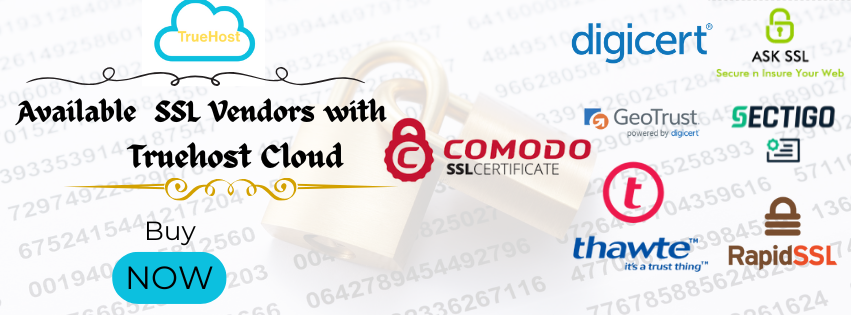
Recommended Automation Platforms for 47 Day SSL
| Tool Type | Best For | UAE Compatibility | Cost Range (AED) |
|---|---|---|---|
| Let’s Encrypt | Small businesses | Excellent | Free |
| Sectigo AutoSSL | Medium enterprises | Good | 200-500/month |
| DigiCert CertCentral | Large corporations | Excellent | 1000+/month |
| CloudFlare SSL | E-commerce sites | Excellent | 300-800/month |
Certbot handles Let’s Encrypt renewals automatically across different hosting environments. It’s perfect for smaller UAE businesses starting their automation journey.
Commercial certificate authorities offer more enterprise features and support. Large UAE companies should consider these premium options seriously.
Monitoring Systems You Can’t Ignore
Certificate expiration monitoring becomes critical with 47 day SSL cycles. You need alerts well before certificates expire.
Uptime monitoring services like Pingdom catch SSL failures immediately. Your customers shouldn’t discover certificate problems before you do.
Dashboard solutions help visualize all your certificates in one place. Managing dozens of 47 day SSL certificates needs centralized visibility.
47 Day SSL Costs for UAE Businesses
Financial Impact Analysis for Different Company Sizes
Automation tools cost money upfront but save significantly long-term. Manual management becomes impossible with 47 day SSL periods.
Certificate outages cost UAE e-commerce sites thousands per hour. Investing in proper automation pays for itself quickly.
Consider the hidden costs of staff time managing frequent renewals. Your employees have better things to do than babysit certificates.
Smart Budget Strategies for UAE SMEs
Free SSL certificates work perfectly for smaller businesses. Let’s Encrypt handles 47 day SSL requirements without subscription fees.
Shared hosting providers should include automated SSL management. Ask your hosting company about their 2026 preparation plans.
Government initiatives might offer SSL automation subsidies for UAE SMEs. Keep watching for announcements from relevant authorities.
The UAE’s cybersecurity strategy emphasizes digital security importance for businesses. This aligns with the 47 day SSL requirements perfectly.
Critical Mistakes UAE Businesses Must Avoid
Waiting until 2026 to start preparing guarantees problems. The learning curve for automation takes months to master properly.
Underestimating the complexity of multi-domain certificate management hurts enterprises. Your dozens of subdomains need coordination.
Failing to test renewal processes before production deployment causes outages. Practice certificate rotations in staging environments first.
Not communicating changes to customers creates confusion unnecessarily. Transparent communication builds trust during transitions.
Ignoring mobile app certificate requirements affects user experience. Your iOS and Android apps need 47 day SSL considerations too.
Getting Ready for 47 Day SSL Success
The 47 day SSL certificate validity period isn’t optional or negotiable. UAE businesses must adapt or face serious security problems.
Start your preparation immediately, not next year or next month. Early preparation gives you time to fix problems gradually.
Automation isn’t just helpful—it’s mandatory for sustainable 47 day SSL management. Manual processes simply won’t scale anymore.
Your competitors who prepare early will have significant advantages. They’ll avoid the last-minute scramble that catches unprepared businesses.
Ready to secure your UAE business against 47 day SSL challenges? TrueHost provides comprehensive automation solutions designed specifically for the Middle East market.
Don’t let certificate management become your biggest headache in 2026. The time to act is now, while you still have choices.